"Fille Saga MGK": Unraveling a Curious Search Term
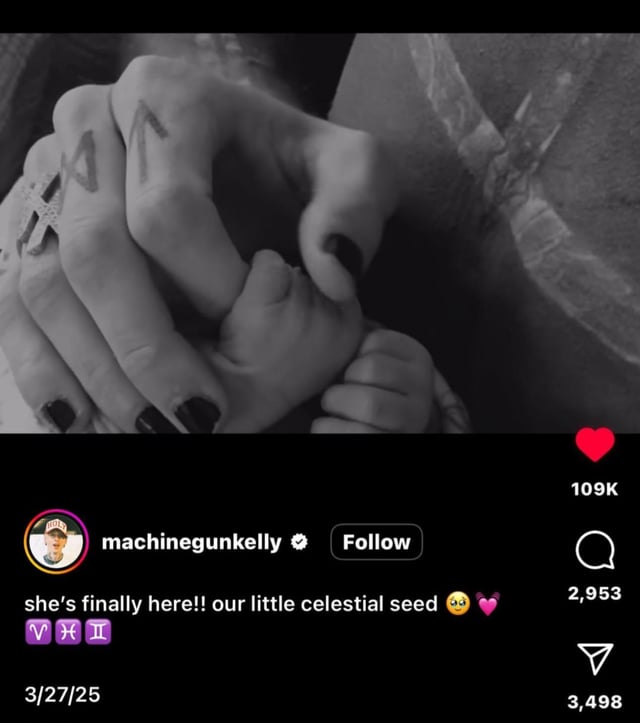
If you've typed "Fille Saga MGK" into a search engine, you might have found yourself scratching your head. Your search results likely presented you with dictionary definitions for the French word "fille" – meaning "girl" or "daughter" – alongside a smattering of unrelated content about the musician Machine Gun Kelly (MGK). This disconnect isn't a glitch in the matrix; it's a fascinating illustration of how language, culture, and digital search intent sometimes collide, leaving traditional dictionary definitions far behind. This article will delve into why a simple translation won't unlock the full meaning of "Fille Saga MGK" and explore the nuances behind this intriguing search query.Understanding the French Word "Fille": More Than Just a Definition
At its core, "fille" is a fundamental word in the French language. As various dictionary sources, including Cambridge Dictionary and FrenchDictionary.com, confirm, its primary meanings are straightforward:- Girl: Refers to a young female person. For example, "une jeune fille" means "a young girl."
- Daughter: Denotes a female child in relation to her parents. "Ma fille" translates to "my daughter."
- Young Woman: In some contexts, it can also refer to a young woman, especially in more informal or poetic usage.
The "MGK Saga" Phenomenon: Pop Culture Meets Public Persona
The latter part of our search term, "MGK Saga," catapults us from linguistic basics into the dynamic, often turbulent world of pop culture and celebrity. Machine Gun Kelly, or MGK (Colson Baker), is a prominent American rapper, singer, and actor known for his genre-bending music, distinctive style, and often highly publicized personal life. The term "saga," when applied to a celebrity like MGK, implies an extended series of events, often dramatic, controversial, or captivating to the public eye. These "sagas" can encompass various aspects:- Relationship Dynamics: MGK's high-profile romances, particularly with Megan Fox, have been a constant source of media attention, often characterized by passionate declarations, public appearances, and social media commentary. These can certainly be perceived as ongoing "sagas."
- Feuds and Rivalries: Like many figures in the music industry, MGK has been involved in public feuds with other artists, generating headlines and fan discussions.
- Career Shifts and Artistic Evolution: His journey from rap to pop-punk and back, alongside his acting career, also presents a narrative arc that some might describe as a "saga."
- Public Image and Controversies: Any celebrity, especially one as open and expressive as MGK, can face public scrutiny, leading to various "mini-sagas" around specific statements, actions, or controversies.
Why "Fille Saga MGK" Isn't in Your Dictionary: Bridging the Language-Culture Gap
This is where the core of our article lies. The reason dictionary definitions fall short for "Fille Saga MGK" is simple: the phrase is not a recognized linguistic construct in either French or English. It's a collision of a common French noun with a specific, culturally driven English pop culture reference. Think about it this way: * Linguistic Origin: "Fille" is French. "Saga MGK" is essentially English (or English internet slang). While loanwords and hybrid phrases exist, this particular combination doesn't follow a standard grammatical or semantic rule in either language. * Semantic Disconnect: There's no established meaning where "fille" inherently modifies or relates to an "MGK Saga." A "girl's MGK saga" or "daughter's MGK saga" might make contextual sense if referring to a fan's experience or a family member's involvement, but "Fille Saga MGK" as a standalone, defined term doesn't exist. * Lack of Official Recognition: Dictionaries catalog established words, phrases, and idioms. They reflect widespread usage and consensus. "Fille Saga MGK" has not permeated language in a way that would warrant inclusion in any formal lexicon. The French Word "Fille": Unrelated to MGK Saga Context elaborates on this very point. This highlights a crucial limitation of traditional dictionaries in the age of rapid information flow and internet culture. New phrases, memes, and cultural references emerge daily, often bypassing the formal linguistic process of standardization and dictionary inclusion. These digital phenomena are fluid, context-dependent, and evolve too quickly for static definitions.Deciphering Your Search: What Are You Really Looking For?
Navigating the Digital Landscape: When Dictionaries Fall Short
The case of "Fille Saga MGK" serves as a powerful reminder that in our hyper-connected world, dictionaries, while indispensable for formal language, often struggle to keep pace with the rapid evolution of online communication, slang, and cultural references.Here are some tips for navigating this dynamic landscape:
- Context is King: Always consider the context in which a phrase appears. Who is using it? Where? What is the likely intent?
- Leverage Social Media Search: For emerging slang, celebrity gossip, or niche community terms, platform-specific searches (Twitter, TikTok, Reddit, YouTube) are often more effective than traditional web searches.
- Use Urban Dictionary (with caution): While not academically rigorous, sites like Urban Dictionary can sometimes capture extremely new or niche slang, but always cross-reference information.
- Consult Multiple Sources: If a phrase seems unusual, compare results from various search engines and information hubs.
- Be Specific: The more precise your search query, the better your results. Instead of a broad, potentially mismatched phrase, try to formulate a question or description of what you're looking for.